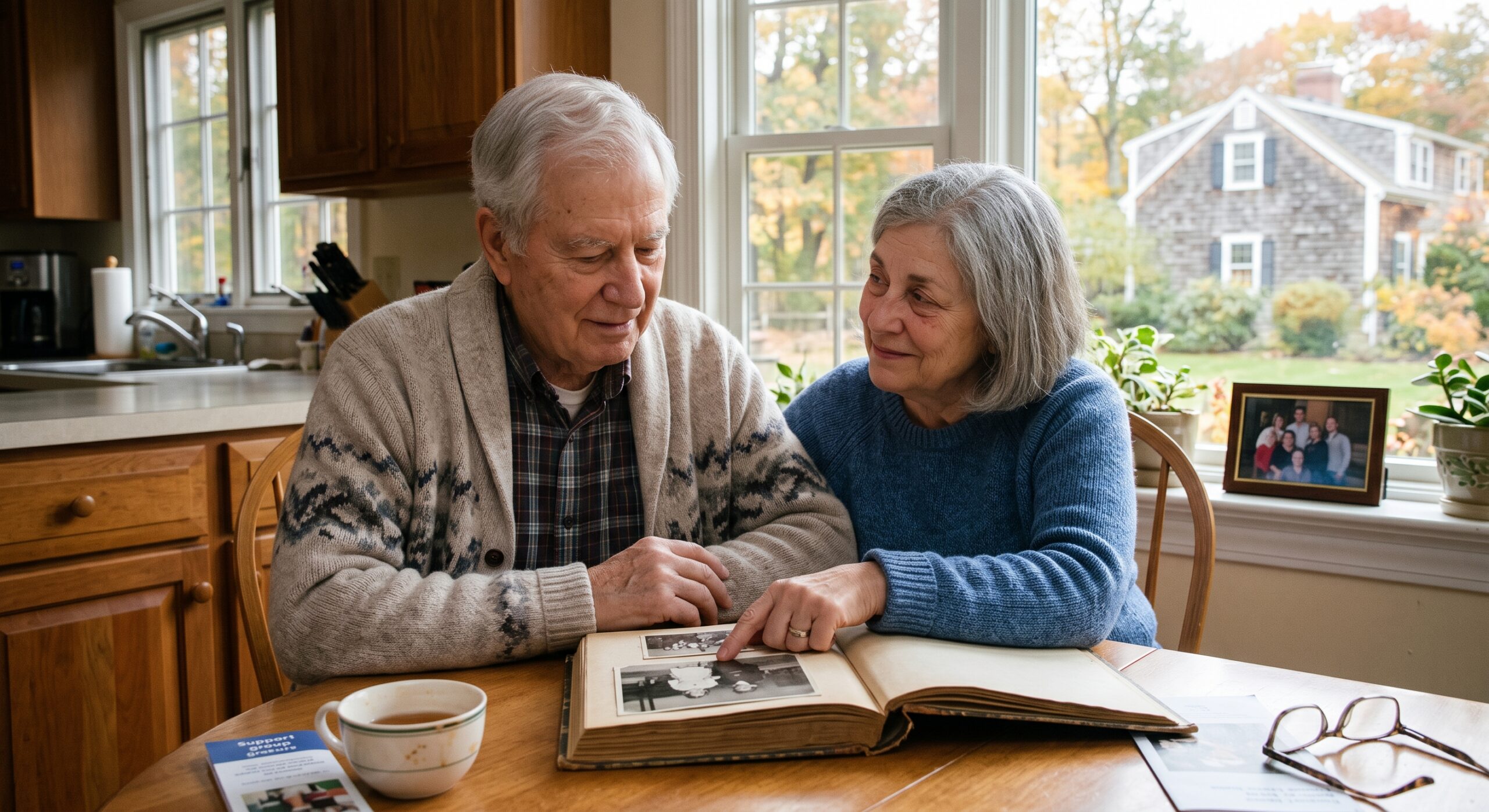
 Caring for a loved one
 with dementia is one of the most meaningful and demanding responsibilities a family can face. For many families, the journey begins gradually with small changes in memory, communication, or daily functioning.
Over time, those changes can evolve into complex care needs that affect every aspect of family life. This is why caregiver support and Alzheimer’s dementia Connecticut resources have become increasingly important for families seeking guidance, emotional support, and practical solutions.
Across Connecticut, thousands of spouses, adult children, relatives, and friends provide daily care for individuals living with Alzheimer’s disease and other forms of dementia.
While caregivers often focus entirely on the needs of the loved ones, their own physical health, emotional well-being, and quality of life can become overlooked. Sustainable caregiving requires support, education, and access to trusted resources.
This guide explores the challenges caregivers face, the support systems available across Connecticut, and how families can find strength, connection, and confidence throughout the dementia care journey.
What is Caregiver Support for Alzheimer’s and Dementia Families?
Caregiver support for families affected by Alzheimer’s and dementia refers to services, education, emotional support, and practical resources designed to help individuals who care for someone living with cognitive decline.
These support systems address both the needs of the person with dementia and the caregiver’s well-being. Effective caregiver support may include educational programs, counseling services, support groups, and
respite care.
It can also provide guidance on memory care, access to community resources, and professional care planning to help families navigate the dementia journey with greater confidence. The goal is simple but essential: helping caregivers maintain their own health and resilience while providing compassionate care for their loved ones.
The Hidden Challenges of Dementia Caregiving
Few caregiving experiences are as emotionally complex as supporting a loved one with Alzheimer’s disease or dementia. Unlike many health conditions, dementia affects memory, personality, communication, judgment, and behavior.
Families often experience a gradual loss that unfolds over years rather than days or months. This ongoing progression can create unique emotional and practical challenges. Many caregivers find themselves balancing multiple responsibilities at once.
They may be managing medications, coordinating medical appointments, assisting with personal care, monitoring safety concerns, handling financial matters, and providing emotional reassurance. At the same time, many caregivers continue working full-time, raising children, or managing their own health conditions.
The emotional impact can be equally significant. Caregivers frequently experience feelings of grief, anxiety, guilt, frustration, and isolation. Watching a loved one change over time can create a profound sense of uncertainty about the future.
Research from organizations such as the Alzheimer’s Association consistently highlights elevated rates of stress, depression, and health challenges among dementia caregivers. This makes caregiver support not simply beneficial but essential.
Why does Caregiver Support Matter More Than Ever?
Many caregivers believe they should be able to manage everything on their own. While this mindset often comes from love and dedication, it can lead to exhaustion and burnout. Caregiver support provides several important benefits.
First, it improves emotional well-being. Connecting with others who understand the realities of dementia caregiving can reduce feelings of isolation and provide reassurance during difficult periods.
Second, it increases confidence. Educational programs help caregivers understand disease progression, communication strategies, behavioral changes, and safety concerns.
Third, it promotes better outcomes for loved ones living with dementia. Caregivers who receive adequate support are often better equipped to make informed decisions and maintain consistent, high-quality care.
Finally, support helps families plan. Dementia care involves many decisions related to healthcare, housing, finances, and long-term care options. Guidance from experienced professionals can reduce uncertainty and improve preparedness.
Recognizing Signs of Caregiver Burnout
Caregiver burnout can develop gradually, making it difficult to recognize until symptoms become severe. Common warning signs include persistent fatigue, sleep difficulties, irritability, anxiety, depression, withdrawal from social activities, and declining physical health.
Some caregivers experience resentment or hopelessness, followed by guilt about those emotions. Others notice increased difficulty concentrating or managing everyday responsibilities.
Recognizing these signs early is critical. Burnout affects both the caregiver and the individual receiving care. Families should view self-care as a necessary component of caregiving rather than a luxury. Seeking support demonstrates strength and responsibility, not weakness.
Caregiver Support Resources Available in Connecticut
Connecticut offers a broad network of services designed specifically for dementia caregivers. Understanding these resources can help families identify support that aligns with their needs and circumstances. Here are a few sources to consider:
Support Groups
Support groups remain one of the most valuable resources for caregivers. These groups provide a safe environment where participants can share experiences, discuss challenges, and learn from others facing similar situations.
Many caregivers report feeling immediate relief when they realize they are not alone in their experiences. Support groups may be available in person, virtually, or through hybrid formats. Topics often include:
- Coping strategies
- Stress management
- Communication techniques
- Navigating family dynamics
- Emotional support
- Group discussions
Educational Programs and Workshops
Knowledge can significantly reduce anxiety during the dementia journey. Educational workshops help families understand the progression of Alzheimer’s disease and related dementias. These programs often cover topics such as recognizing symptoms, managing behavioral changes, improving communication, and preparing for future care needs.
Many caregivers discover that this knowledge makes those situations easier to navigate with patience and confidence. Organizations throughout Connecticut frequently offer educational seminars designed specifically for family caregivers seeking information and practical guidance.
Counseling and Emotional Support
Professional counseling can provide valuable assistance during periods of stress, grief, or major transitions. Dementia caregiving often involves complicated emotions that can be difficult to process independently.
Individual counseling allows caregivers to explore those feelings, develop coping strategies, and strengthen emotional resilience. Family counseling may also help relatives navigate caregiving responsibilities, improve communication, and address differing perspectives regarding care decisions.
Respite Care Services
One of the most important yet underutilized resources for caregivers is respite care. Respite care provides temporary relief from caregiving responsibilities, allowing family members time to rest, attend appointments, travel, or simply recharge.
Many caregivers hesitate to accept help because they feel responsible for every aspect of care. However, regular breaks can improve both caregiver well-being and the overall quality of care provided. Respite services may include:
- Adult day programs
- Short-term residential stays
- In-home assistance
- Specialized dementia care programs
How does Waveny Support Alzheimer’s and Dementia Caregivers?
For families in Fairfield County, caregiver support extends beyond clinical care. Meaningful support recognizes that caregivers need education, connection, reassurance, and guidance throughout the entire journey.
Waveny has developed programs to help caregivers better understand dementia and build practical skills and emotional resilience. These
initiatives create opportunities for families to connect with professionals and peers who understand the realities of caregiving.
Educational events, support programming, and dementia-focused resources help families gain greater confidence in managing day-to-day challenges. These programs also encourage caregivers to prioritize their own well-being, recognizing that sustainable care begins with caregiver health.
Families exploring options such as memory care services, senior living solutions, or comprehensive care planning often benefit from early conversations that provide clarity before urgent decisions become necessary.
Building a Sustainable Caregiving Plan
Successful dementia caregiving rarely happens by accident. It requires planning, flexibility, and a willingness to adapt as circumstances change. A sustainable caregiving plan typically includes several components, such as:
Create a Support Network
No single individual can provide every aspect of care indefinitely. Family members, friends, healthcare providers, community organizations, and professional caregivers can all contribute meaningful support. Identifying available resources early creates a stronger foundation for future challenges.
Establish Realistic Expectations
Dementia is a progressive condition. Care needs will change over time, and caregiving approaches must evolve accordingly. Accepting that some situations cannot be controlled helps reduce unnecessary stress and frustration.
Prioritize Health and Wellbeing
Caregivers often postpone their own medical appointments, exercise routines, and social activities. Maintaining personal health is essential for long-term caregiving success. Regular exercise, healthy nutrition, adequate sleep, and preventive healthcare all contribute to greater resilience.
Plan for Future Care Needs
Early planning allows families to make thoughtful decisions rather than reacting during a crisis. Conversations about legal documents, financial planning, healthcare preferences, and long-term care options can provide greater peace of mind for everyone involved.
The Emotional Side of the Caregiving Journey
Beyond practical responsibilities, dementia caregiving is fundamentally an emotional experience. Caregivers often describe moments of profound connection alongside moments of deep sadness.
A familiar smile, a shared memory, or a brief conversation can carry extraordinary meaning. At the same time, families may experience anticipatory grief as they witness gradual cognitive changes. Acknowledging these emotions is an important part of the caregiving process.
There is no perfect way to navigate this journey. Every family experiences unique challenges, relationships, and circumstances. Support resources provide space for caregivers to process these emotions while learning from others who truly understand the experience.
Many caregivers find comfort in knowing that seeking help does not diminish their commitment. Instead, it strengthens their ability to continue providing compassionate care over the long-term.
Supporting Families Through Every Stage of Dementia Care
The journey of Alzheimer’s disease and dementia affects entire families, not just the individual receiving care. Caregivers often carry tremendous responsibility while navigating uncertainty, grief, and daily challenges.
With the right resources, education, and support, caregivers can find greater confidence and resilience throughout this journey. Connecticut families do not have to face dementia alone.
Through caregiver support programs, community connections, and trusted care guidance, it is possible to create a path that prioritizes both compassionate care and caregiver well-being.
For families seeking additional
guidance, dementia education, caregiver support programming, or memory care resources, Waveny offers
trusted support designed to help caregivers feel informed, empowered, and connected every step of the way.
Frequently Asked Questions
What caregiver support resources are available for Alzheimer’s families in Connecticut?
Connecticut offers support groups, educational workshops, counseling services, respite care programs, adult day services, memory care resources, and caregiver training opportunities. Many healthcare organizations and community providers offer specialized programs for dementia caregivers. For New Canaan residents, Waveny LifeCare Network’s Navigator Program for Alzheimer’s and Dementia is a free, grant-funded program for caregivers and their loved ones living with dementia.
How do support groups help dementia caregivers?
Support groups provide valuable information, emotional encouragement, practical advice, and opportunities to connect with individuals facing similar challenges. Many caregivers report reduced stress and greater confidence after regularly participating in support groups.
What is respite care for dementia caregivers?
Respite care provides temporary relief from caregiving responsibilities. Services may include in-home assistance, adult day programs, or short-term residential care, allowing caregivers time to rest and attend to personal needs.
How can I recognize caregiver burnout?
Common signs include chronic fatigue, anxiety, depression, irritability, sleep problems, social withdrawal, and feelings of being overwhelmed. Seeking support early can help prevent burnout from worsening.
When should families begin planning for long-term dementia care?
Families should begin planning as early as possible after a diagnosis. Early planning allows more time to explore care options,find resources, discuss preferences, prepare legal and financial documents, and build a support network.
